
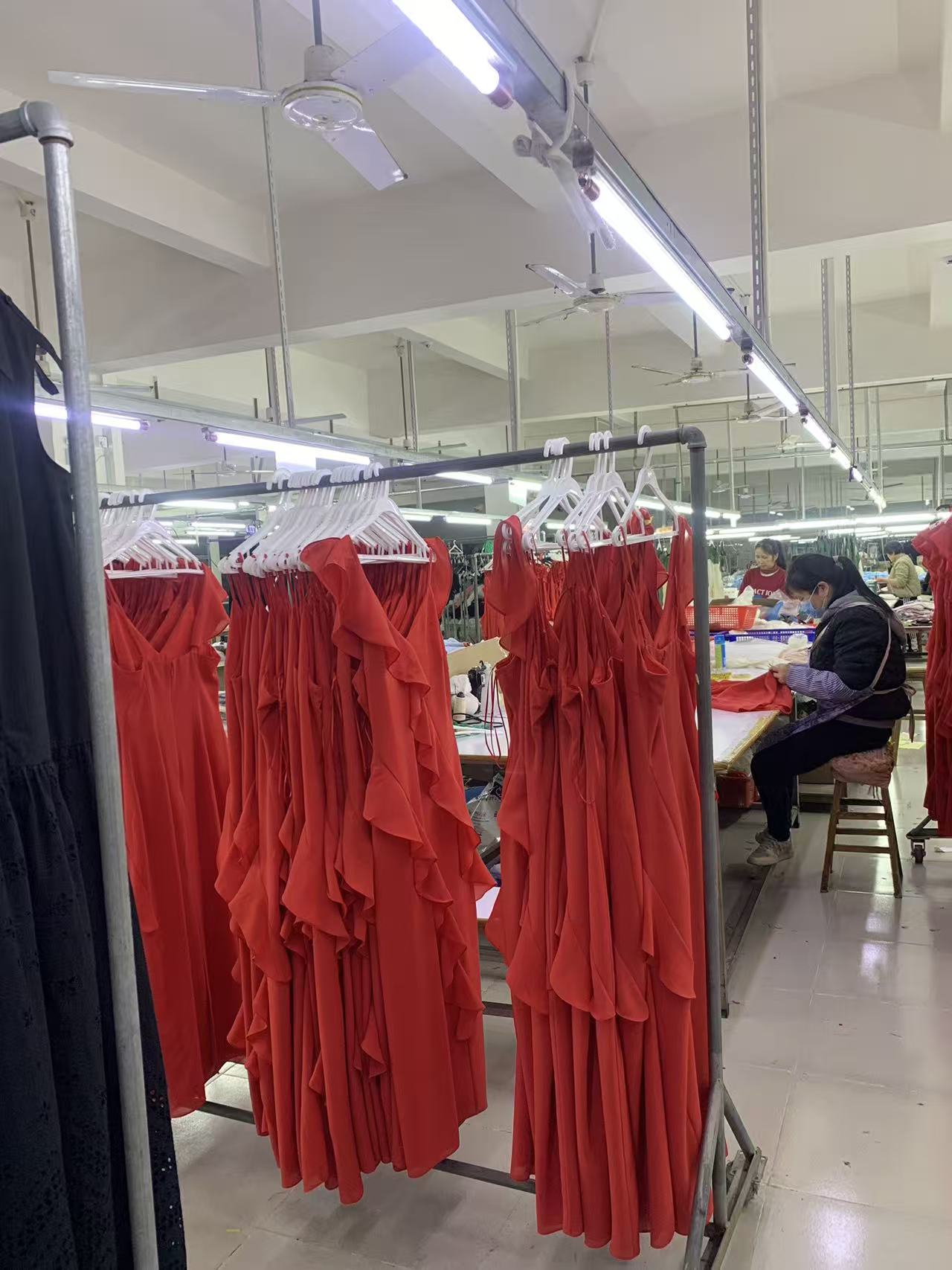
The image of garment factories as purely industrial, high-pressure environments is rapidly becoming outdated. Across key manufacturing hubs, a new generation of apparel factories is redefining what it means to produce clothing in a globalized, design-driven market.
These factories are not simply responding to orders—they are collaborating with brands, advising on technical feasibility, and helping shape collections from concept to completion. This shift reflects broader changes within the fashion industry, where flexibility, transparency, and craftsmanship are now as important as cost efficiency.
Collaboration Over Transaction
In the past, relationships between brands and factories were often transactional. Communication was limited, development cycles were rigid, and factories were expected to execute designs with minimal input.
Today, collaboration has become the foundation of successful partnerships. Brands increasingly rely on factories to provide feedback on construction, suggest alternative materials, and recommend adjustments that improve both fit and production efficiency.
This collaborative approach benefits both sides. Brands receive better products and clearer cost structures, while factories reduce production risks and improve workflow planning.
Supporting Brands Without Tech Packs
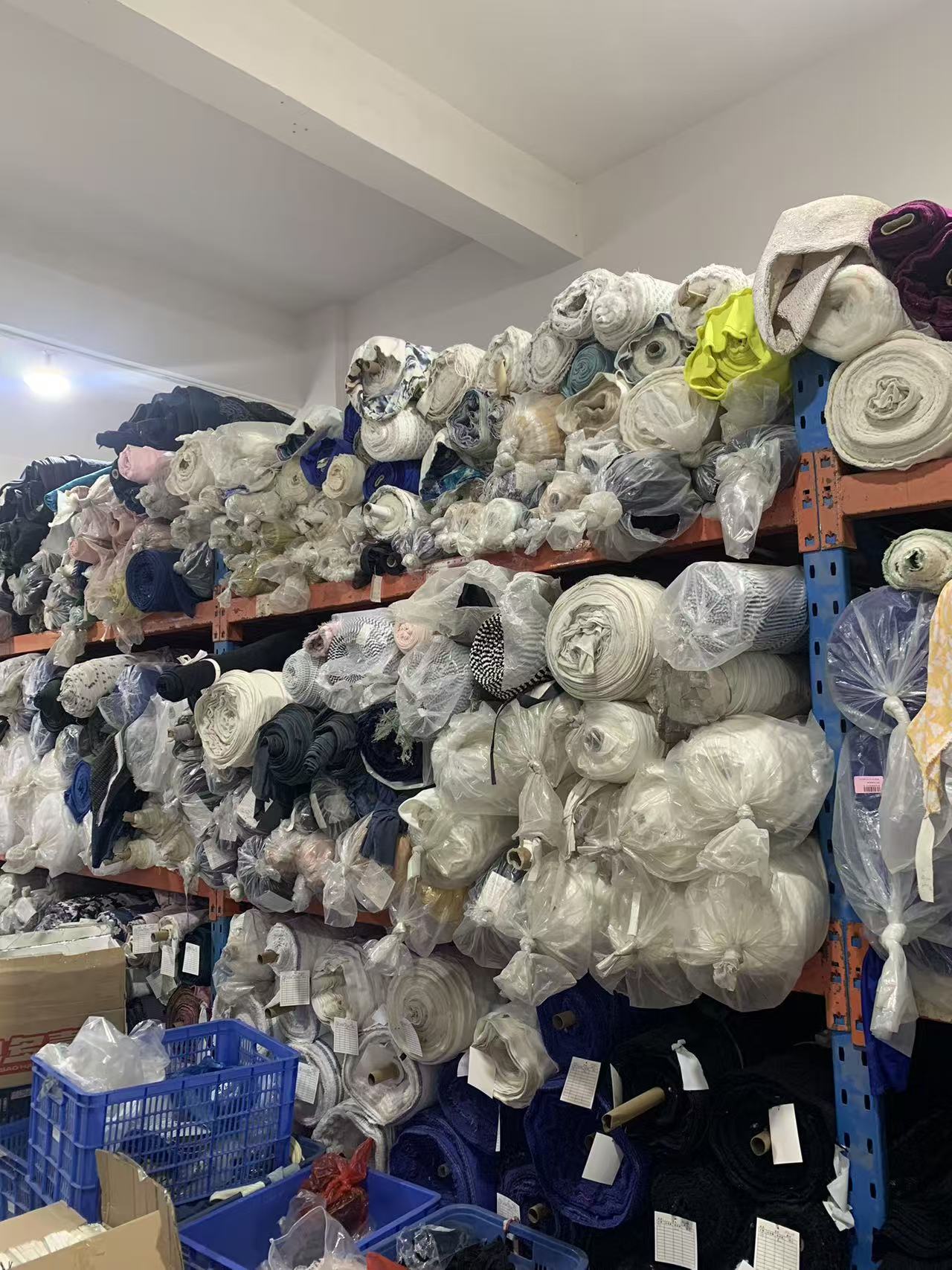
A growing number of fashion brands—particularly startups—enter the manufacturing process without complete technical documentation. Rather than turning these clients away, many garment factories have adapted by offering development services tailored to early-stage brands.
These services often include:
● Translating sketches or reference images into production-ready patterns
● Advising on garment construction and finishing techniques
● Creating size specifications and grading rules
● Producing fit samples and revisions
By filling this gap, factories lower the barrier to entry for new brands and position themselves as long-term partners rather than short-term suppliers.
Balancing Speed and Precision
The demand for faster turnaround times continues to challenge the industry. Brands want quicker sampling, shorter production cycles, and the ability to respond to trends in real time.
However, speed cannot come at the expense of quality. Leading garment factories are addressing this challenge by optimizing internal workflows rather than cutting corners. Clear communication, realistic timelines, and disciplined sample development allow factories to move efficiently without compromising standards.
This balance is particularly important for high-end and mid-market brands, where poor quality can quickly erode consumer trust.
Transparency and Trust
Transparency has become a defining factor in modern manufacturing relationships. Brands want visibility into production processes, lead times, and cost breakdowns. In turn, factories expect clear communication, confirmed specifications, and realistic expectations.
Factories that operate with transparency—providing honest feedback and proactive updates—build stronger, more resilient partnerships. Trust reduces friction, improves problem-solving, and ultimately leads to better products.
Post time: Jan-27-2026