
By Industry Correspondent | Manufacturing & Apparel News
In recent years, garment factories have undergone a profound transformation, reshaping the global fashion supply chain in ways that would have been unimaginable just a decade ago. Once viewed simply as production centers focused on speed and cost efficiency, modern apparel factories are now becoming strategic partners for fashion brands—offering design support, technical development, sustainability solutions, and flexible production models.
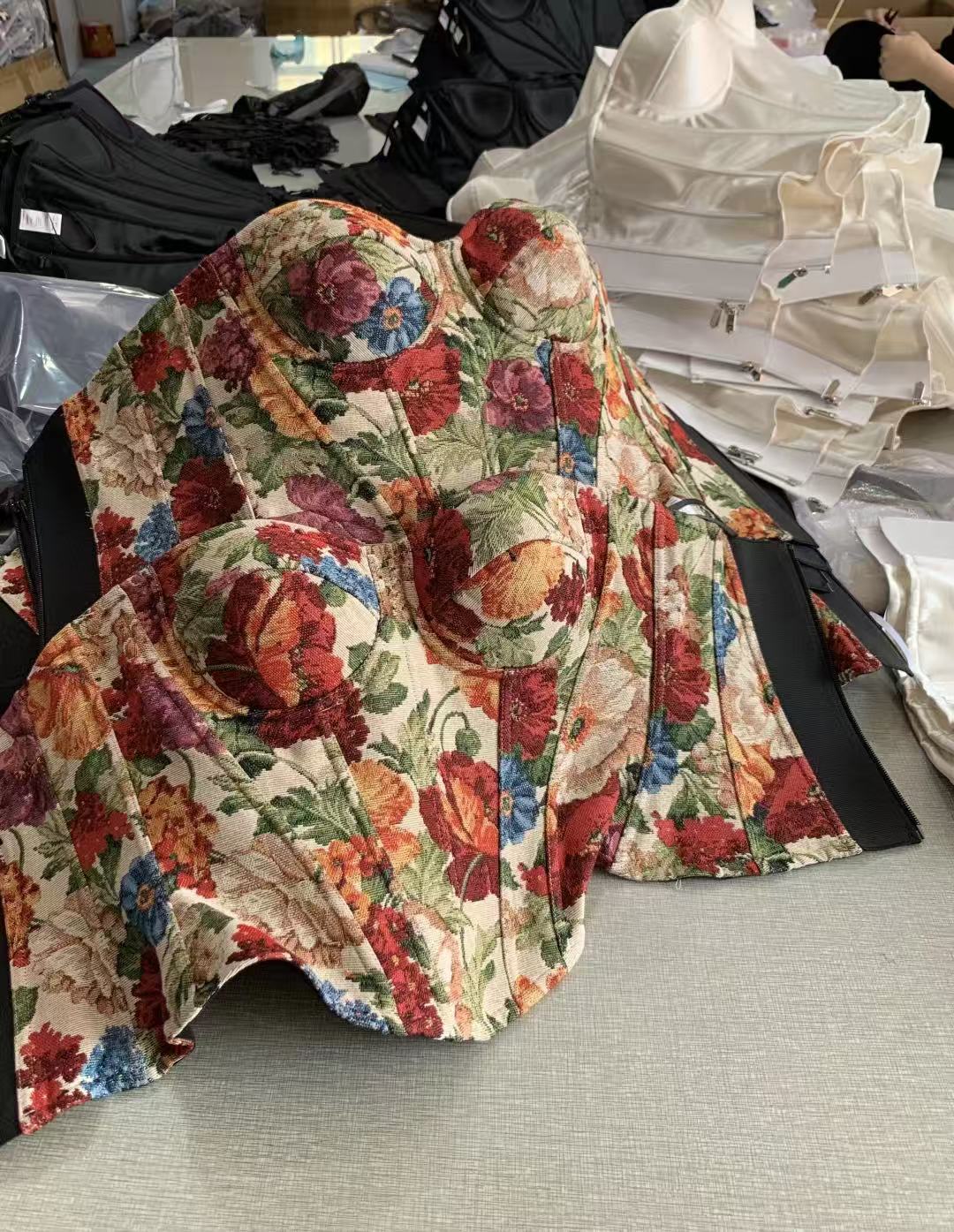
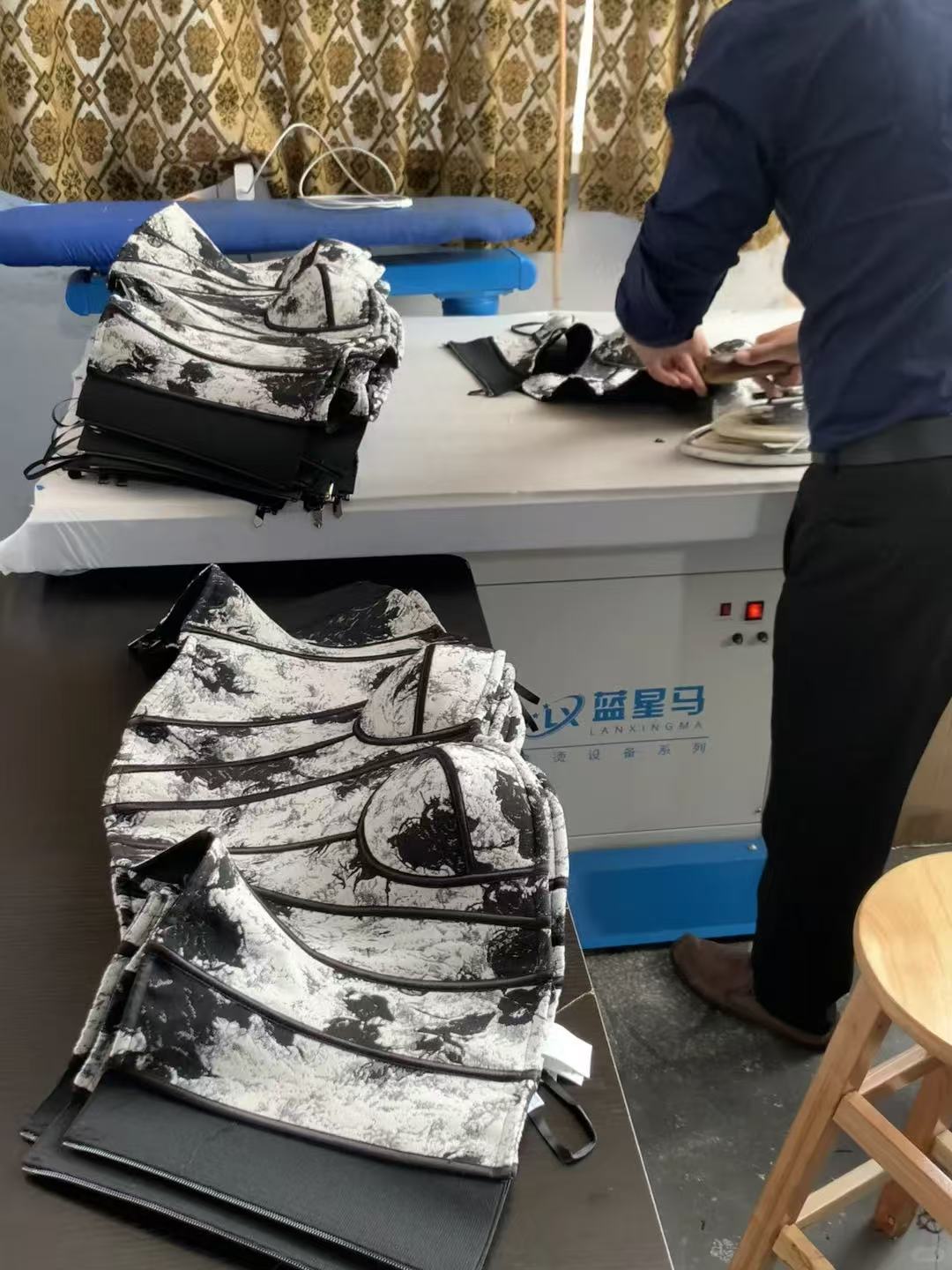
This shift is being driven by a combination of changing consumer expectations, increased pressure for transparency, and the rapid evolution of fashion brands themselves. As the industry moves away from mass production toward more agile, quality-focused manufacturing, garment factories are finding themselves at the heart of fashion’s next chapter.
From Mass Production to Smart Manufacturing
Traditionally, garment factories operated on a large-scale, volume-driven model. Brands placed massive orders months in advance, designs were finalized early, and factories focused on delivering high quantities at the lowest possible cost. While this model worked for decades, it has become increasingly incompatible with today’s fast-changing market.
Modern consumers expect faster turnaround times, higher quality, and more frequent product drops. In response, factories are adopting smarter manufacturing systems, including digital pattern making, automated cutting machines, and modular production lines. These technologies allow factories to reduce lead times, minimize waste, and respond more quickly to design changes.
Rather than producing tens of thousands of identical garments, many factories now specialize in small to mid-sized orders, enabling brands to test styles, manage inventory risks, and scale successful products more efficiently.
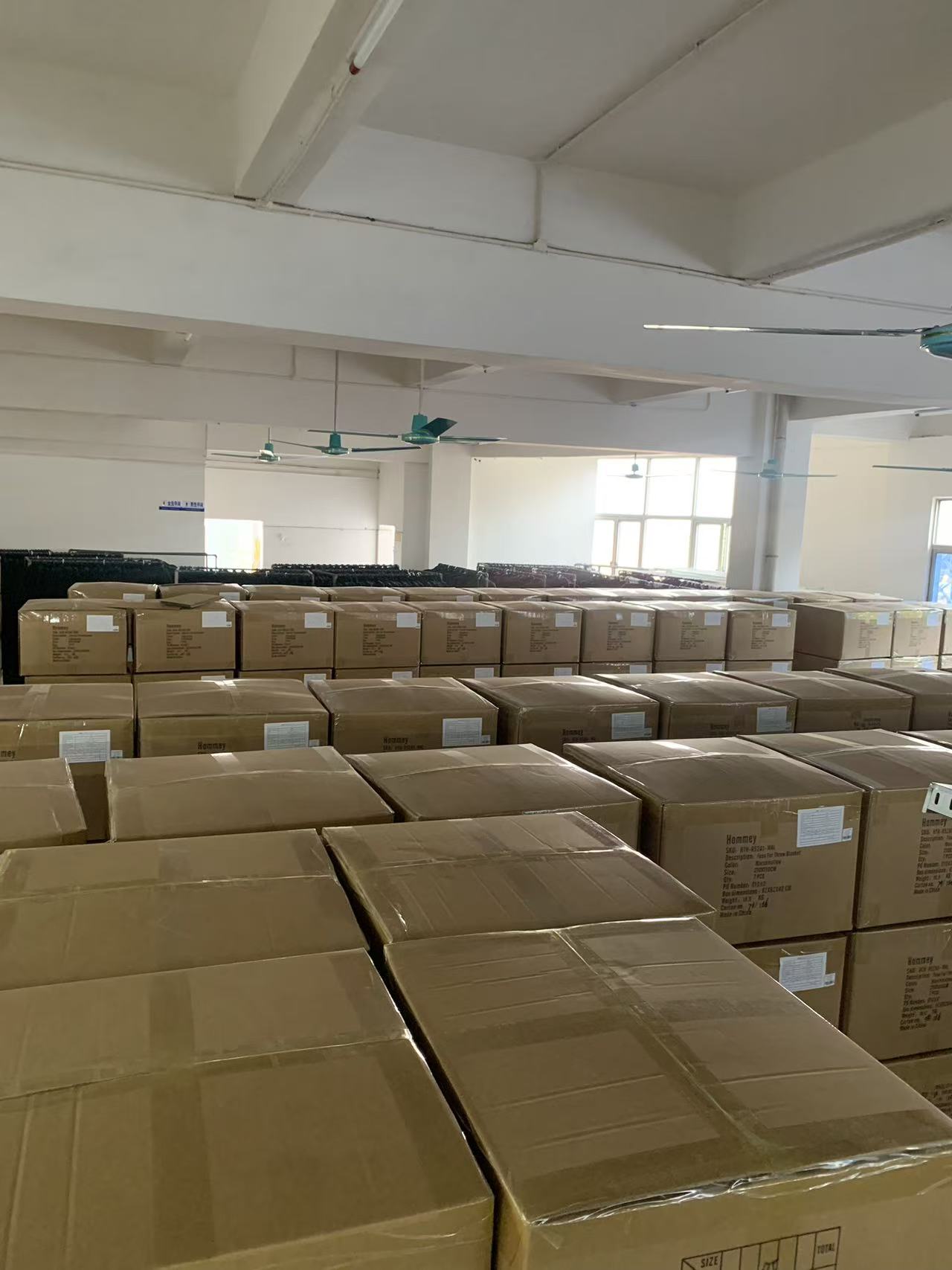
The Rise of Factory-Led Technical Support
One of the most notable changes in the garment manufacturing landscape is the growing role factories play in technical development. Increasingly, brands—especially startups and emerging labels—approach factories without fully developed tech packs or production-ready specifications.
To meet this demand, many garment factories now offer in-house services such as:
● Pattern development
● Size grading
● Fabric and trim sourcing
● Construction and fit optimization
● Cost engineering
This evolution positions factories not just as producers, but as problem-solvers. By collaborating early in the design process, factories help brands avoid costly mistakes, improve garment fit, and streamline production before bulk orders begin.
For new brands, this support can be critical. Without large in-house design teams, startups rely on factory expertise to translate creative ideas into manufacturable products.
Quality as a Competitive Advantage
As consumers become more educated about garment construction, quality has emerged as a major differentiator. Poor stitching, inconsistent sizing, and substandard fabrics can quickly damage a brand’s reputation—especially in the age of social media reviews.
In response, leading garment factories are investing heavily in quality control systems. Multi-stage inspections, standardized operating procedures, and skilled sample teams ensure that garments meet consistent standards from prototype to bulk production.
Factories that once competed primarily on price now compete on craftsmanship. Techniques such as reinforced seams, proper lining construction, and precision finishing are no longer optional—they are expected.
Post time: Jan-27-2026