
Sustainability has been fashion’s most overused—and misunderstood—word for the past decade. By 2026, the industry is undergoing a necessary reset. The trend is no longer about vague eco-claims or greenwashed collections. Instead, sustainability is becoming economically honest.

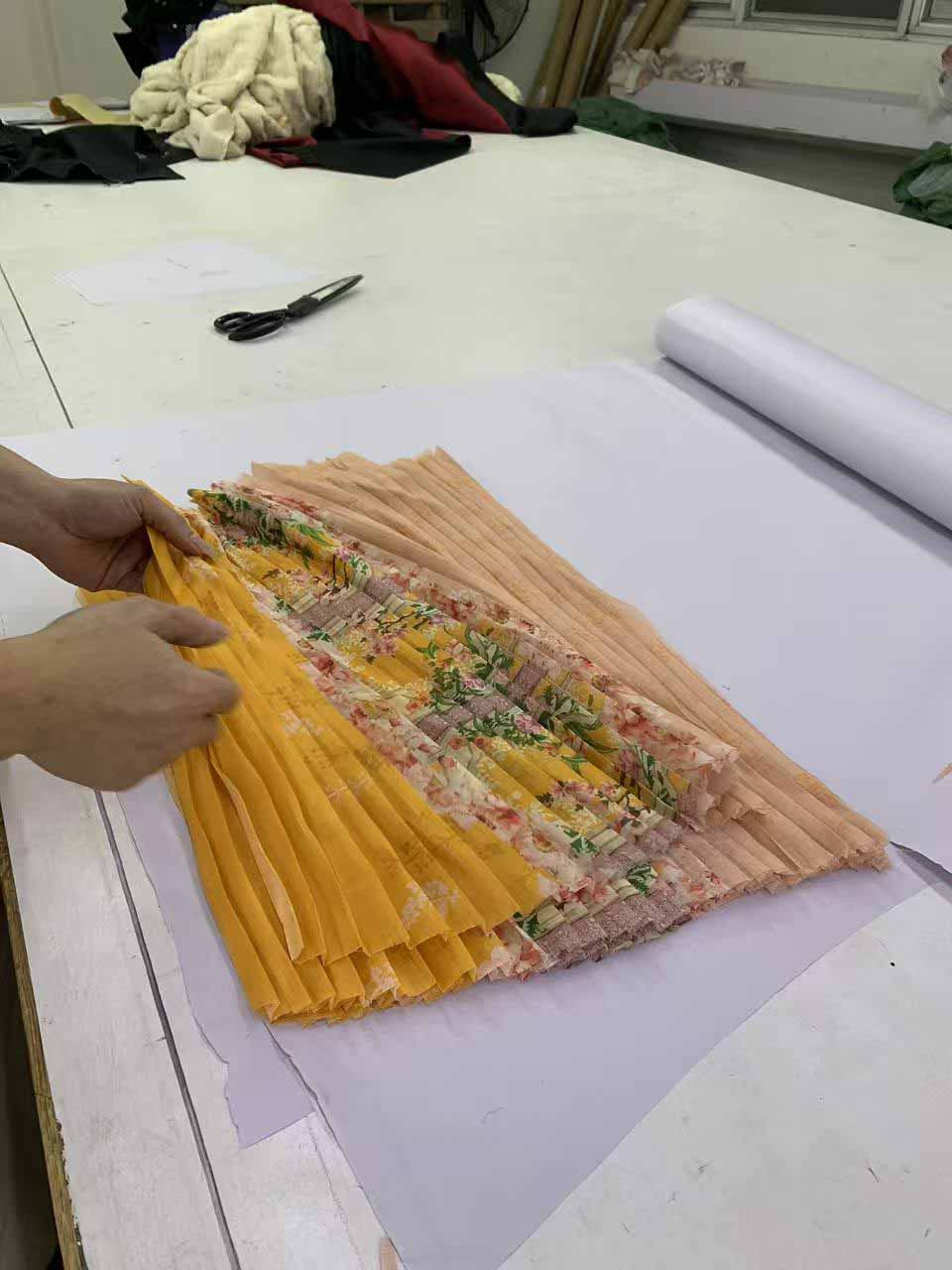
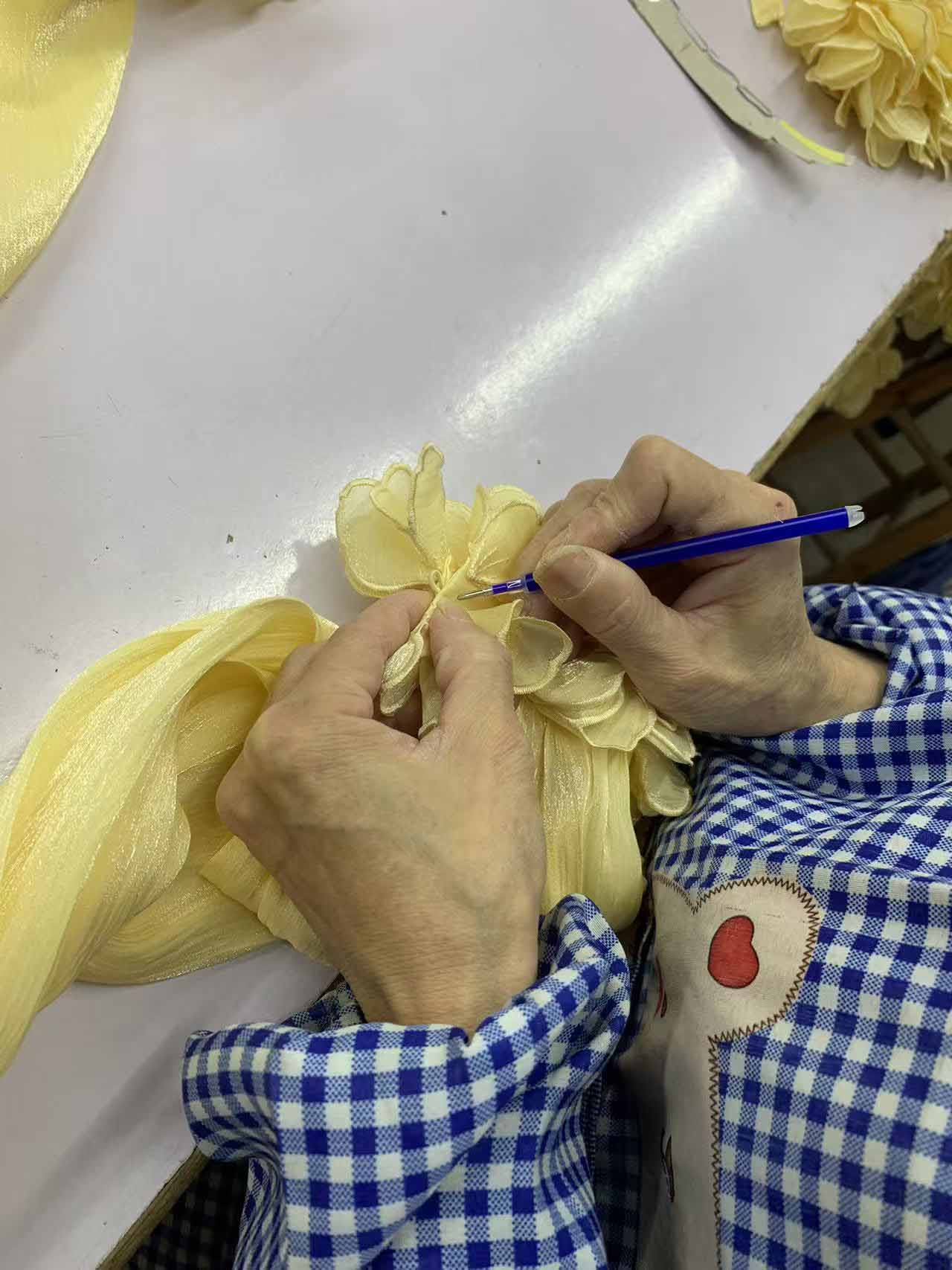
Consumers are more informed than ever. They understand that true sustainability has a cost—and they are increasingly intolerant of brands that claim ethical values while underpricing reality. As a result, 2026 marks the rise of transparent sustainability.
This means clear communication around materials, sourcing, minimum order quantities, and production limitations. Brands are openly discussing why short runs cost more, why certain fabrics require higher MOQs, and why local or specialized production cannot be priced like fast fashion.

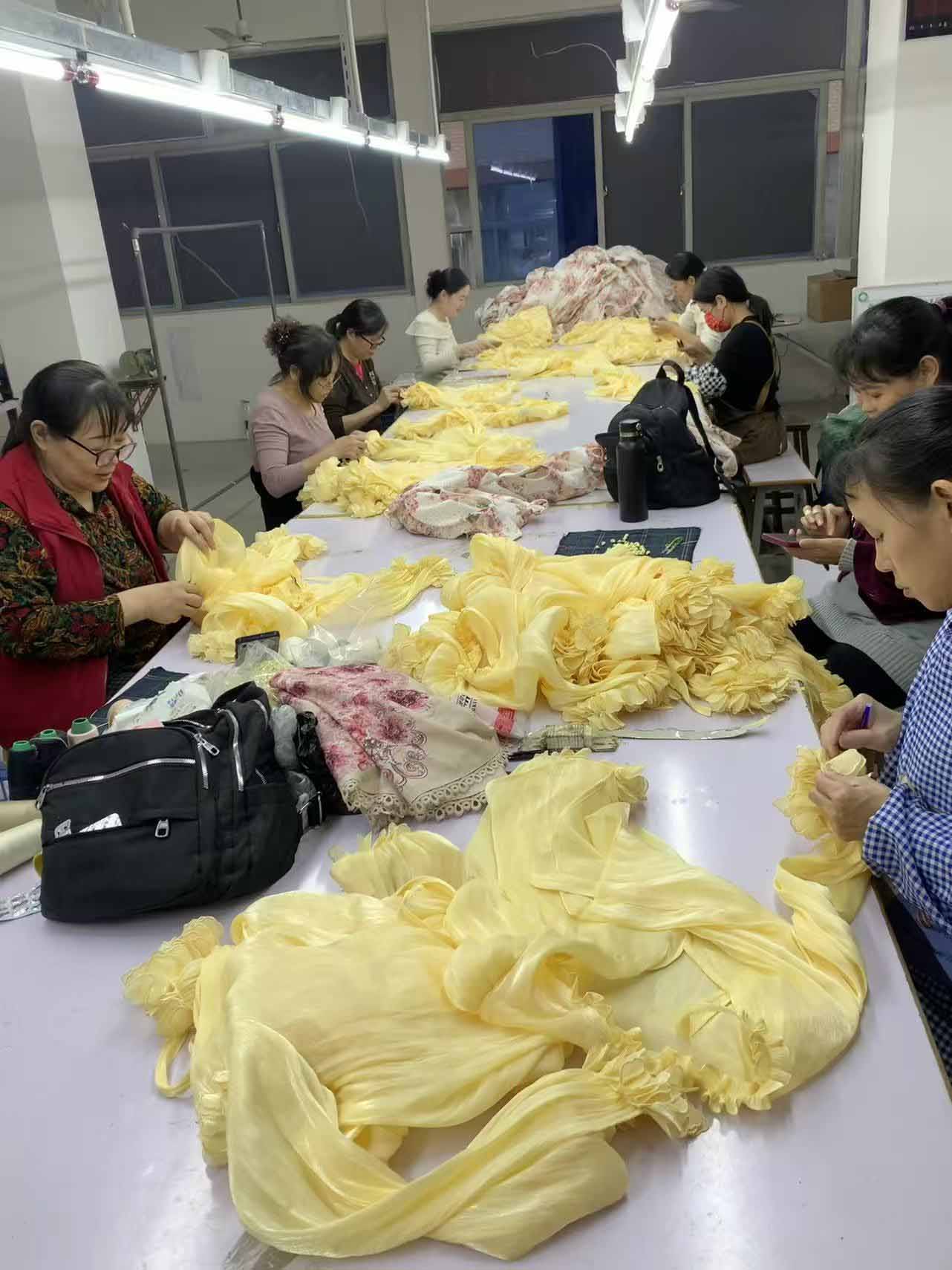
Design is also adapting. Collections are tighter. Styles are developed to last across seasons. Fabrics are chosen not just for aesthetics, but for durability, recyclability, and supply stability. Cotton linings, natural blends, and certified textiles are prioritized—not as marketing tools, but as long-term decisions.
In 2026, sustainability is no longer about appearing “green.” It is about making responsible production financially viable—for brands, factories, and customers alike. Honesty, not perfection, is the new benchmark.
Post time: Jan-03-2026